Future of Education Technology
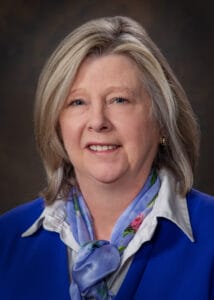
Dr. Judy Jankowski, Head of School
This year, Dr. Shantanu Tilak and I attended the Future of Education Technology Conference (FETC) in Orlando, Florida. I’ve participated in this conference for more than a decade, and each time I’m struck by how rapidly educational technology continues to evolve. What once felt like a distant vision is now becoming part of our everyday reality.
For years, I believed technology would eventually enable truly personalized instruction for every learner. With the rise of Large Language Models (LLMs), that moment has arrived. AI can now help design curriculum tailored to individual student needs and deliver that content through interactive, gamified experiences and virtual reality environments that motivate and engage. It can also assess student progress in real time, creating a continuous feedback loop that strengthens learning. The potential impact of this model is profound.
When AI first entered the educational landscape, it brought understandable concerns. Some worried that students would rely on AI to write papers or solve problems, making cheating easier. Others feared that teachers would be replaced as technology took over curriculum design and instructional delivery. For many, those anxieties overshadowed the opportunities.
 At this year’s FETC, however, a clearer and more hopeful vision emerged—one that moves education beyond fear and toward possibility. AI can create individualized learning pathways for students while supporting teachers by simplifying lesson planning and differentiation. Rather than diminishing the role of educators, these tools free them to spend more time building relationships, guiding learning, and fostering meaningful human connection.
Education has always been rooted in relationships, and that truth isn’t changing. AI is not here to replace the teacher; it is here to amplify their impact. As we look ahead, it is time to embrace a new pedagogical approach—one that harnesses technology to better serve our students, our community, and our future.